


Our eyes are incredible; they let us enjoy the world in color, detail, and motion. But just like any other part of our body, they can develop problems. Some of the most serious issues happen in the retina, and these problems are often noticed too late.
Even people who think their vision is perfect can have hidden issues. That’s why seeing a retina doctor Siliguri regularly and knowing what signs to watch for can make a big difference in protecting your eyesight and keeping your vision healthy.
What Is the Retina, and Why Is It Important?
The small layer of tissue at the rear of your eye, called the retina, is responsible for detecting light and communicating images to your brain. Think of it as the camera sensor of your eye. Without a healthy retina, your vision can be blurry, distorted, or even lost.
Retina issues can include conditions like
-
Diabetic retinopathy- damage caused by high blood sugar
-
Retinal detachment- When the retina separates from its usual position, it is known as retinal detachment.
-
Macular degeneration- deterioration of the central retina, affecting detailed vision
- Retinal vein or artery blockage- affecting blood flow in the eye
The tricky part is that many retinal problems don’t show noticeable symptoms in the early stages. This is one major reason why they are often diagnosed late.
Why Retinal Issues Are Hard to Spot Early?
1. Early Stages Often Have No Symptoms
Many retinal conditions start slowly. For example, diabetic retinopathy may develop over years without causing blurred vision or discomfort. You could see clearly and feel fine, while damage is quietly occurring in your eyes.
2. Vision Loss Can Be Subtle
Some vision changes are so gradual that the brain adapts, and you don’t realize anything is wrong. Slight blurriness, small blind spots, or difficulty seeing in dim light may be ignored or attributed to fatigue or aging.
3. People Skip Regular Eye Exams
A lot of people visit an eye doctor only when their vision becomes noticeably worse. Unfortunately, by the time symptoms appear, retinal issues may have progressed, making treatment more difficult.
4. Misunderstanding Risk Factors
Not everyone realizes that certain health conditions increase the risk of retina problems. Diabetes, high blood pressure, high cholesterol, and a family history of retinal disorders all raise the chance of eye complications. Without regular screening, these issues can go unnoticed.
Some Common Risk Factors That Contribute to Late Diagnosis
-
Diabetes - Tiny blood vessels in the retina can be harmed by high blood sugar
-
High Blood Pressure- Puts strain on the retinal blood vessels.
-
Age- Older adults are more prone to macular degeneration and retinal tears.
-
Eye Injuries- Even minor trauma can trigger retinal problems over time.
-
Genetics- Family history of retinal disease increases risk.
- Lifestyle Factors- Smoking, poor diet, and lack of exercise can contribute.
Understanding your risk factors can help you be proactive about eye care rather than waiting for symptoms to appear.
The Importance of Seeing a Retina Specialist Regularly
The key to catching retinal problems early is regular eye checkups. A comprehensive eye exam by a professional Eye doctor in Siliguri can detect subtle changes that you might not notice.
During a retinal evaluation, an eye doctor may use:
-
Dilated eye exams- widening the pupil to check the retina in detail
-
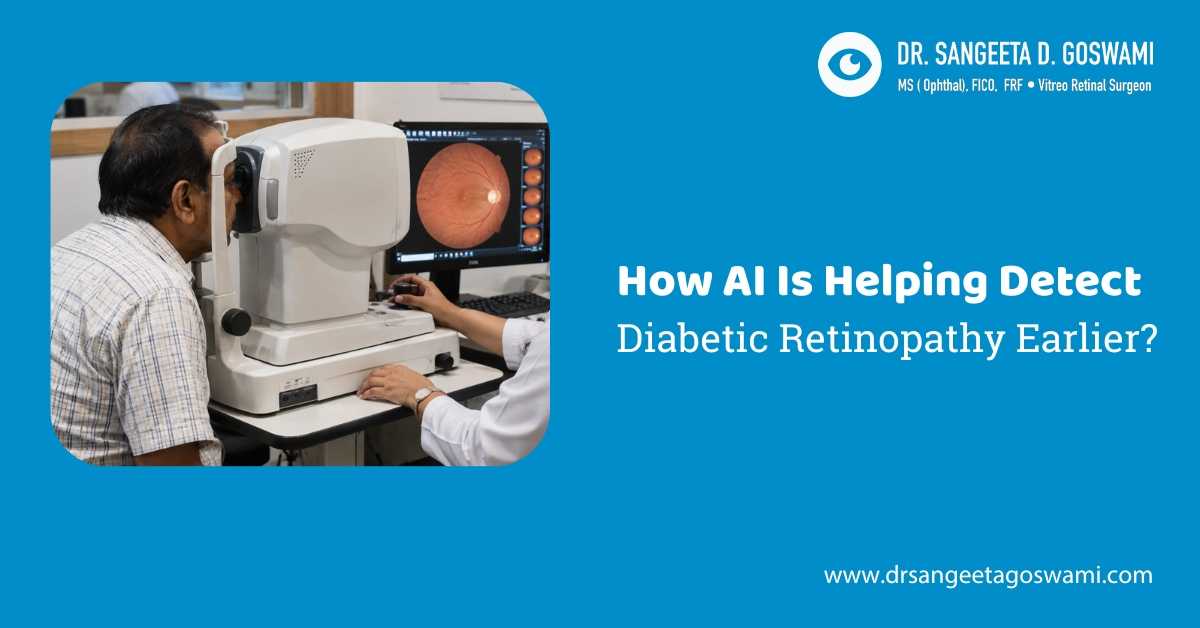
Optical Coherence Tomography (OCT)- a scan that shows the layers of the retina
- Fundus photography- detailed images of the retina for comparison over time
These tests help detect conditions like diabetic retinopathy, macular degeneration, or early retinal tears before vision is affected.
Why People Delay Eye Check-Ups
Even when people know eye exams are important, several factors contribute to delays:
-
Assuming vision is fine- If you can see clearly, it’s easy to think everything is okay.
-
Busy lifestyle- Work, family, and daily responsibilities often take priority over health check-ups.
-
Fear or anxiety- Some people worry about discovering a serious problem.
- Cost concerns- Worry about expenses can prevent regular visits.
Breaking these habits and prioritizing eye health is critical. Prevention and early detection can save vision.
Symptoms That Shouldn’t Be Ignored
While early retina problems may have no symptoms, certain warning signs should prompt immediate medical attention:
-
Sudden flashes of light
-
Floaters (specks or strings in vision)
-
Dark shadows or curtain-like vision loss
-
Blurry or distorted central vision
- Difficulty seeing in dim light
You should consult a retina specialist right away if you observe any of these changes, even if they are just temporary.
.png)
The Benefits of Catching Problems Early
The earlier a retinal problem is diagnosed, the better the treatment outcomes. Early detection can:
-
Prevent irreversible vision loss
-
Reduce the need for complex surgeries
-
Allow treatment with medication or laser therapy
- Help manage underlying health conditions that affect the eyes
Regular eye exams, especially for those at risk, are one of the simplest ways to protect your vision.
Lifestyle Tips to Protect Your Retina
While medical care is essential, lifestyle choices also play a role in retinal health:
-
Maintain healthy blood sugar and blood pressure levels
-
Eat a diet rich in leafy greens, fruits, and omega-3s
-
Avoid smoking and limit alcohol consumption
-
To shield your eyes from UV radiation, put on sunglasses.
- Exercise regularly to improve circulation and overall health
Combining these habits with regular eye exams gives you the best chance of keeping your retina healthy.
Protect Your Eyes Before It’s Too Late
Retinal issues are often silent at first, but they can progress quickly. Waiting for symptoms can reduce treatment options and increase the risk of permanent vision loss.
If you have risk factors or notice any vision changes, don’t ignore them. Early evaluation by a qualified retina specialist can make all the difference.
Final Thoughts
Your eyes are precious, and retinal problems often develop quietly. By understanding the risks, recognizing early signs, and getting regular eye checkups, you can protect your vision before serious issues arise. Even small steps, like scheduling a routine eye exam, can make a big difference in keeping your sight healthy for years to come.
If you notice any changes in your vision, don’t wait. Consult Dr. Sangeeta Goswami, a trusted retina doctor in Siliguri, to take the first step toward protecting your eyes.