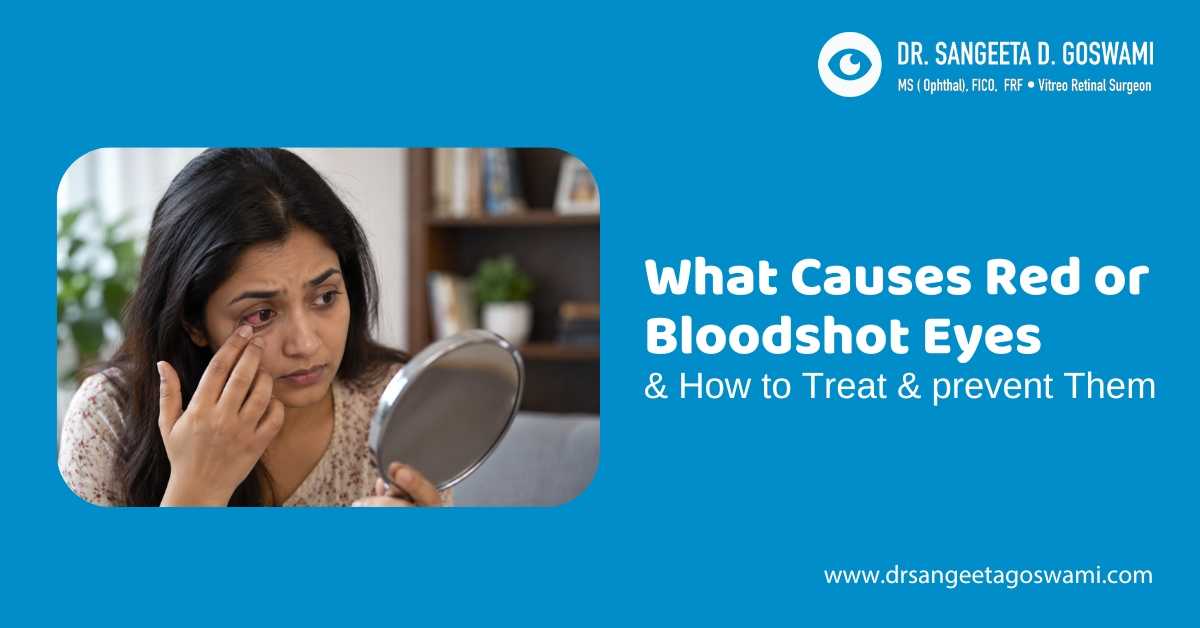


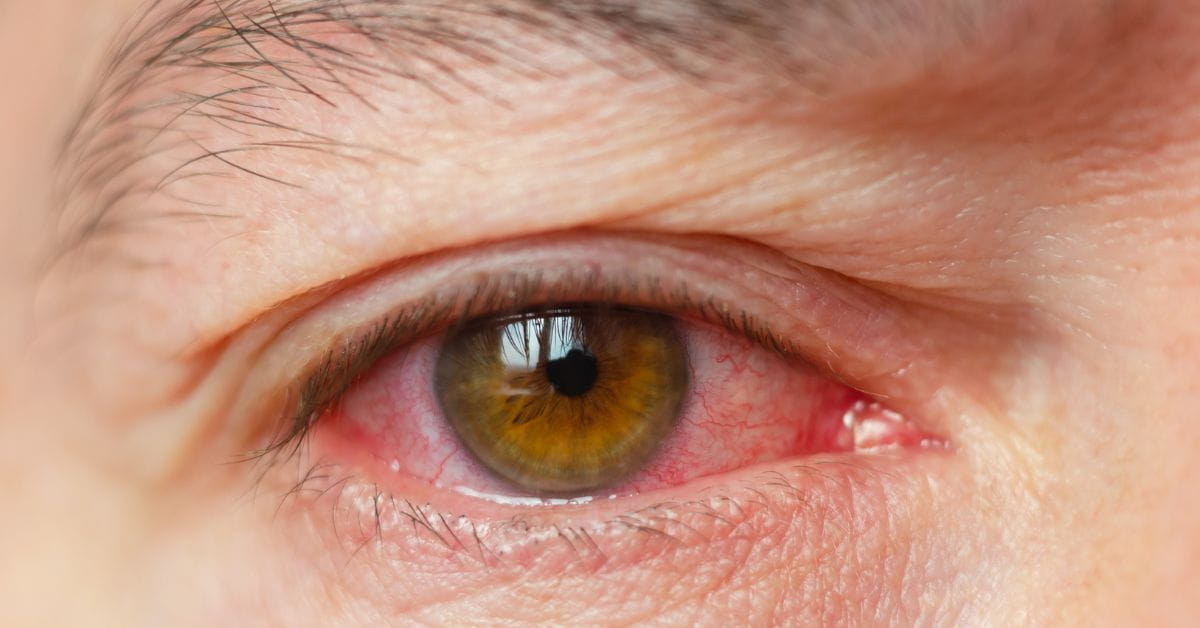
You may wake up with red eyes or notice redness after spending hours in front of a screen. Sometimes, only one eye becomes red.
There are many causes of red eyes, including tiredness, dry eyes, allergies, and irritation. Most are mild, but some need medical attention.
Redness happens when the small blood vessels on the surface of the eye become enlarged or more visible. The treatment depends on what is causing the redness.
What are the causes of sudden red eyes?
- Dry eyes: Screen use, fans, air conditioning, and dry weather can cause redness and burning.
- Eye strain:Long screen time, reading, or focusing for too long can cause red, tired, and uncomfortable eyes.
- Eye allergies:Dust, pollen, and pet dander can cause redness, itching, and watering.
- Conjunctivitis:Infections or allergies can cause redness, discharge, and irritation.
- Smoke and dust:Pollution, smoke, fumes, and chemicals can irritate the eyes.
- Contact lenses: Wearing lenses for too long or poor lens hygiene can cause redness.
- Subconjunctival hemorrhage (broken blood vessel):A small blood vessel can break and leave a bright-red patch on the white part of the eye.
- Eye injury: A scratch or foreign object can cause redness, pain, and watering.
- Other eye conditions: Keratitis, uveitis, and glaucoma can also cause red eyes.
What Symptoms Can Come With Red Eyes?
Mild Symptoms
- Watery eyes
- Burning or stinging
- Itching
- Gritty feeling
- Mild irritation
- Temporary discomfort
Symptoms That May Need Medical Attention
- Eye pain
- Blurred or reduced vision
- Sensitivity to light
- Significant swelling
- Thick eye discharge
- Severe headache
- Nausea or vomiting
- Eye injury
- Something stuck in the eye
- Sudden, severe redness
Some symptoms may point to a possible cause. Itching is common with allergies, while discharge can occur with conjunctivitis. Pain, light sensitivity, or vision changes should be checked by an eye specialist.
How Does an Eye Specialist Diagnose Red Eyes?
Medical History
The eye specialist may ask about:
- When the redness started
- Whether one or both eyes are affected
- Pain, itching, or irritation
- Eye discharge
- Changes in vision
- Allergies
- Contact lens use
- Recent eye injury
- Eye drops or medicines you use
Eye Examination
The specialist may check:
- Eyelids
- Conjunctiva
- Cornea
- Pupils
- Vision
- Eye pressure
Additional Tests
Depending on your symptoms, the specialist may use:
- Slit-lamp examination
- Fluorescein staining
- Eye pressure test
- Other specialised eye tests
How Does an Eye Specialist Treat Red Eyes?
Dry eyes:
Artificial tears, lubricating eye drops, and treatment for eyelid problems.
Eye allergies:
Allergy eye drops, antihistamines, and avoiding triggers.
Conjunctivitis:
Treatment depends on whether it is viral, bacterial, or allergy-related.
Blepharitis:
Eyelid hygiene, warm compresses, and prescribed medicines.
Eye infection:
Antimicrobial eye drops or other medicines, depending on the infection.
Corneal problems:
Specific treatment based on the condition.
Eye injury:
Treatment depends on the type and severity of the injury.
Foreign body:
Safe removal and treatment if the eye surface is damaged.
Glaucoma:
Eye drops, medicines, laser treatment, or surgery when required.
Uveitis:
Prescription eye drops and other medicines to control inflammation.
Broken blood vessel:
Usually no specific treatment is needed, and it clears on its own.
Which Eye Drops Can Help With Red Eyes?
The right eye drops depend on why your eyes are red.
- Artificial tears: May help with dryness or mild irritation.
- Allergy eye drops:May help with allergy-related itching and watering.
- Lubricating drops:May ease discomfort from dry air or screen use.
- Decongestant eye drops:May reduce redness temporarily but should not be overused.
Avoid antibiotic or steroid eye drops unless an eye specialist recommends them.
How Can You Manage Red Eyes at Home?
- Reduce screen time: Take regular breaks to reduce eye strain.
- Follow the 20-20-20 rule: Every 20 minutes, look at something about 20 feet away for around 20 seconds.
- Use a cool compress: Place a clean, cool cloth over closed eyes to soothe irritation.
- Avoid rubbing your eyes:Rubbing can make redness and irritation worse.
- Avoid irritants: Stay away from smoke, dust, and strong fumes.
- Get enough sleep: Good sleep can help with tired and irritated eyes.
- Remove contact lenses:Take them out if they cause redness or discomfort.
Don’t try different eye drops or home remedies without knowing the cause. If the redness continues, see an eye specialist.
How Can You Reduce the Risk of Red Eyes?
Protect Your Eyes
- Wear eye protection around dust and chemicals.
- Stay away from smoke and strong fumes.
Follow Contact Lens Hygiene
- Wash and dry your hands before handling lenses.
- Replace lenses as recommended.
- Don't sleep in contact lenses unless advised.
- Clean and store lenses properly.
Take Screen Breaks
- Blink often.
- Take short breaks during long screen use.
- Keep your screen at a comfortable distance and brightness.
Stay Hydrated
- Drink enough water during the day.
- This can help prevent dry, irritated eyes.
Manage Allergies
- Avoid things that trigger your allergies.
- Keep your surroundings clean.
- Don't rub your eyes.
- Use allergy medicines or eye drops as advised.
Maintain Eye Hygiene
- Remove eye makeup before bed.
- Don't share eye makeup.
- Throw away old or contaminated eye cosmetics.
What Are the Possible Complications of Red Eyes?
Most red eyes settle without causing problems. But if the redness is linked to an eye disease or infection, leaving it untreated can cause:
- Corneal damage
- Worsening eye infection
- Blurred or reduced vision
- More eye pain
- Light sensitivity
- Vision loss in serious cases
- Permanent eye damage
Simple irritation usually does not cause lasting damage. Serious infections, glaucoma, and corneal problems are different and need medical care.
When Does Red Eye Need Urgent Medical Care?
Most red eyes are harmless, but some signs should not be ignored. See an eye specialist urgently if you have:
- Severe or worsening eye pain
- Sudden blurred or reduced vision
- Strong sensitivity to light
- Severe swelling around the eye
- Thick or unusual discharge
- A recent eye injury
- Painful red eye with contact lenses and blurred vision
- Something stuck in the eye
- Severe headache with nausea or vomiting
- Sudden, severe redness without a clear reason
If your red eye is painful or your vision has changed, have it examined instead of treating it yourself with eye drops or home remedies.
FAQs
Is Too Much Screen Time Cause Bloodshot Eyes?
Yes. Spending hours on a screen can make your eyes dry, tired, and bloodshot. Take regular breaks and follow the 20-20-20 rule.
Is Eye Redness Always a Sign of a Serious Problem?
No. Redness can happen due to dryness, tiredness, allergies, or irritation. If it comes with pain, blurred vision, or light sensitivity, consult an eye specialist.
Can Red Eyes Cause Permanent Vision Problems if Left Untreated?
No, not usually. But if a serious eye infection or condition is left untreated, it can sometimes cause lasting vision problems.
What Are the Danger Signs of a Red Eye?
If your red eye is very painful, your vision changes, or light hurts your eyes, don’t ignore it. See an eye specialist as soon as possible.
Can I Wear Contact Lenses When My Eye Is Red?
It’s best to avoid contact lenses while your eye is red. Wait until the redness clears before wearing them again. If you have pain, discharge, or blurred vision, see an eye specialist.
Why Is Only One Eye Red?
One eye may become red because of irritation, infection, an injury, or a broken blood vessel.
Can Red Eyes Be a Sign of an Eye Infection?
Yes. An eye infection can cause redness, discharge, watering, irritation, or pain.
Why Do My Eyes Turn Red After Waking Up?
Dry eyes, lack of sleep, allergies, or irritation can make your eyes red when you wake up.
At the end
Red eyes can have many red eyes causes, such as dryness, allergies, eye strain, or infection. Most mild cases improve with simple care.
Avoid using eye drops or home remedies without knowing the cause. If the redness continues or comes with pain or vision changes, get your eyes checked.
Dr. Sangeeta D. Goswami can examine your eyes and suggest the right treatment based on the cause.