


Time changes every organ in the human body, and the eyes are no exception.
While wrinkles are a visible sign of aging, some of the most profound age-related transformations happen silently right behind your pupils.
With time, our eyes shift from flexible lenses to more complex visual systems over the decades.
This often starts in your 40s, with signs including reduced near vision, dry eyes, and the need for brighter light.
You can consider visiting a reputable eye clinic in Siliguri, which offers your long-term vision health, for advanced diagnostic testing and microvascular screening.
Understanding these shifts helps you take proactive steps to protect your sight and prevent long-term vision loss diseases.
How Aging Impacts Vision and Eye Health
What are Age-Related Eye Problems?
As you get older, natural changes in your eyes and vision occur.
While some of these changes are a normal part of getting older, which might require you to wear reading glasses, others can threaten your eyesight.
Therefore, regular comprehensive eye exams are essential to detect and manage these conditions early.
Some of the most common age-related eye conditions are as follows.
What Are Some Common Age-Related Vision Changes?
An inevitable part of growing older that can begin as early as your 40s is age-related vision changes, which are completely normal and natural.
Sometimes these changes can require simple solutions like wearing a pair of new glasses; others can be subtle indicators of underlying health shifts that warrant routine tracking by an eye care professional.
Some of these normal changes and changes that require medical tracking are listed below.
Some Normal Age-Related Vision Changes
Leading to several manageable shifts in how you see the world, as you age, the physical structure of your eyes changes.
1. A Loss In Near Focus:
The most common age-related vision change is a loss in near focus. This is because the lens inside your eye naturally hardens over time, making it much harder to read small print or see things close up; this is called presbyopia.
2. A Need for Brighter Light:
There is a need for brighter light to see things as you age because the tiny muscles that control your pupil size weaken with age, and your pupils become smaller.
This means less light reaches your retina, requiring you to use brighter lamps for reading or detailed work.
3. Reduced Color Awareness or Perception:
As you age, there is a reduction in color awareness or perception, which makes your eyes weaker in terms of identifying color.
This is because the clear lens of your eyes can gradually discolor or yellow over time, which makes it difficult to distinguish between similar dark shades, such as black, navy blue, or dark brown.
4. A Slow Adaptation to Darkness:
There is a slower adaptation to darkness as you age because it takes you longer for your eyes to adjust when walking from a bright outdoor environment into a dimly lit room, or vice versa.
5. Decreased Contrast Sensitivity:
With increasing age and reducing eye sight, it becomes harder to distinguish an object from its background if they are similar colors, such as seeing a white curb against a gray sidewalk.
Some Eye-Related Vision Changes That Require Medical Tracking
Some visual shifts cross the line from standard aging into conditions that can slowly impact your long-term independence:
1. The Appearance of Floating Specks:
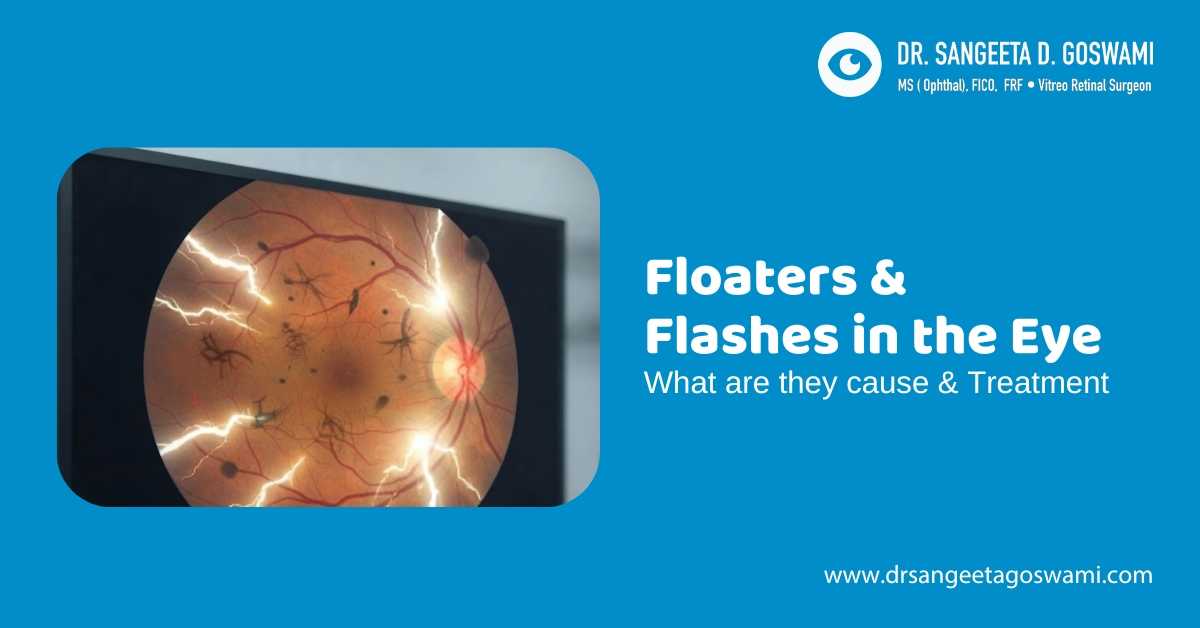
If you’re noticing the occasional appearance of floating specks, which are drifting shapes, or floaters, this is common. As the gel inside your eye thins, though any sudden influx of them requires immediate emergency care.
2. Narrowing of Your Peripheral Vision:
Experiencing a narrowing of your peripheral vision, which is a slow, painless loss of your side or peripheral vision, can creep up without obvious warning signs, making routine pressure checks essential.
How Aging Impacts Vision and Eye Health
How Should You Protect Your Vision as You Age?
Protecting your vision as you age requires a highly structured combination of
- Advanced medical screenings and diagnostics,
- Aggressive management of chronic health conditions,
- Precise environmental shielding, and
- Targeted nutritional habits.
1. Advanced Medical Screenings and Diagnostics
- Conducting Annual Dilated Exams:
The best way to make sure your eyes are healthy, especially with increasing age, is to conduct annual dilated exams.
This is the only reliable way to catch retinal tears, early-stage macular degeneration, and optic nerve thinning before you notice vision changes.
Specialized drops widen your pupils, allowing a doctor to check the back of the eye.
- Tracking Intraocular Pressure, or IOP:
It is important to track intraocular pressure, or IOP, because glaucoma causes gradual, painless vision loss starting from your periphery.
This is because regular pressure testing via tonometry allows doctors to catch elevated pressures and prescribe drops before the optic nerve is permanently destroyed.
- OCT or Optical Coherence Tomography Scans:
An optical coherence tomography scan is a non-invasive imaging test that takes cross-section pictures of your retina.
To track structural changes over time, it provides microscopic, layer-by-layer details of the macula and optic nerve.
2. Management of Vascular and Systemic Health
Management of vascular and systemic health is also a way to protect your eyesight, because your eyes are highly vascular organs.
The tiny blood vessels feeding the retina are incredibly sensitive to changes in your overall cardiovascular and metabolic health.
- Regulation of Blood Sugar:
Chronic high blood sugar damages the microvasculature of the retina, leading to diabetic retinopathy.
Keeping your HbA1c levels within your target range prevents these vessels from swelling, leaking, or bleeding.
- Control of Blood Pressure and Cholesterol:
Restricting blood flow, high blood pressure makes retinal vessel walls thick and stiff, so controlling your blood pressure and cholesterol also helps in keeping your eyesight intact.
This is because high cholesterol can lead to a retinal artery occlusion, essentially a stroke in the eye and causing sudden, permanent blindness.
- Stop Smoking Completely:
One more thing to do to keep your eye sights in tact is to stop smoking completely, because tobacco smoke introduces toxins that cause severe oxidative stress.
Smokers are up to four times more likely to develop macular degeneration and cataracts at a much earlier age.
3. Some Essential Environmental Shielding and Mechanical Protection
You might not know this, but some environmental and mechanical shielding protection is essential for keeping your eyesight healthy.
Some daily environmental hazards like ultraviolet radiation, artificial blue light, and physical debris cause cumulative damage to the ocular surface, lens, and retina over several decades.
- Blockage From Total UV-A and UV-B:
It is important to wear sunglasses to block the UV rays from entering your eyes, especially after eye surgery of the eyes, because ultraviolet radiation accelerates the clumping of proteins in the eye’s lens, leading to cataracts.
So, remember to always wear sunglasses labeled as blocking 99% to 100% of both UVA and UVB rays.
- Adjustments in Dynamic Lighting:
Adjustments in dynamic lighting are important because as you age, the pupil and the lens become less transparent, meaning your eyes require more light.
So it’s best to upgrade your working spaces with bright, focused task lighting to reduce severe eye strain.
- Reducing Screen Time with the 20-20 Rule:
Reducing eyesight is important for your eye health as you age because staring at screens causes you to blink up to 50% less frequently, which further worsens dry eye.
Every 20 minutes, focus on an object at least 20 feet away for 20 seconds to reset your focus and prompt natural blinking.
4. Focus on Nutrition, Hydration, and Ocular Lubrication
Another way to keep your eyesight healthy as you age is by focusing on your nutrition, hydration, and ocular lubrication.
This is because providing your body with the specific raw materials it needs to repair cellular damage is a highly effective way to protect ocular tissues from natural degradation.
- Incorporating Carotenoids and Antioxidants In Your Diet:
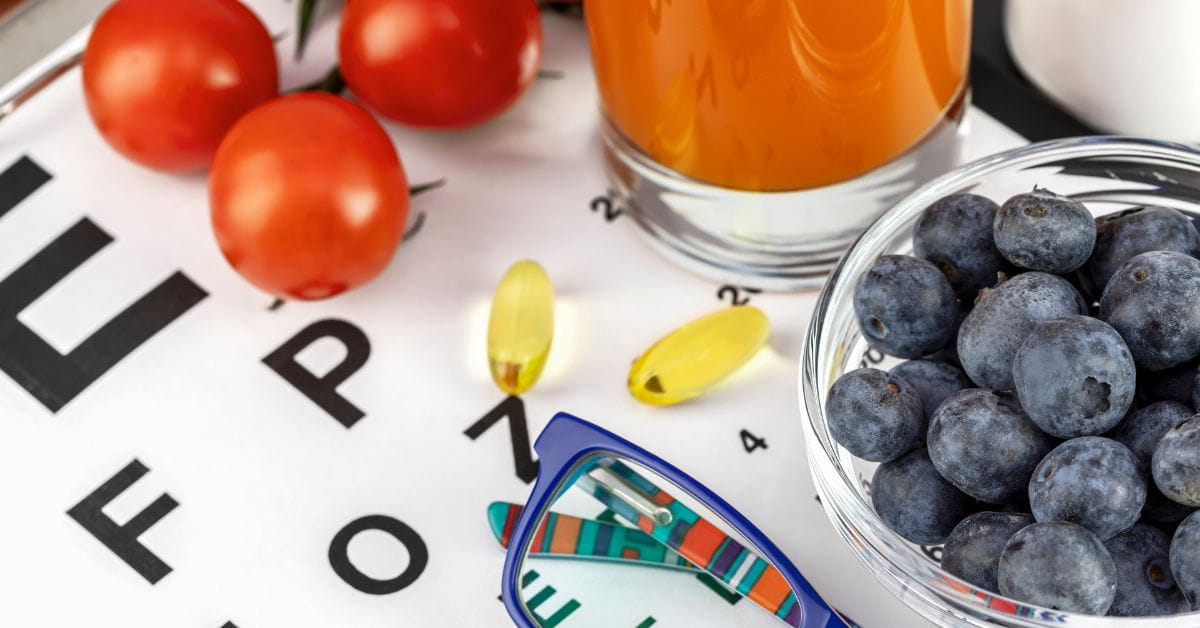
Try to incorporate carotenoids and antioxidants in your diet because the macula requires specific nutrients to filter out the harmful light. Prioritize foods exceptionally high in lutein and zeaxanthin, such as dark, leafy greens, like spinach and kale, and egg yolks.
- Consume Foods Rich in Omega-3 Fatty Acids:
Because the glands in your eyelids produce the essential oil layer of your tears, preventing evaporation, it is important to consume foods that are rich in omega-3 fatty acids.
Consuming omega-3s from cold-water fish like salmon and sardines directly combats the burning of dry eye syndrome.
- A Need for Proper Hydration:
Because systemic dehydration directly correlates to decreased tear production, it is important to hydrate yourself properly.
Drink water consistently throughout the day to keep the surface of your eyes properly lubricated and comfortable.
Conclusion
Reducing visual sharpness and increasing the risk of serious ocular diseases, aging naturally alters the eyes’ physical structures.
While some changes are a normal part of getting older and can be managed with glasses or lighting adjustments, other shifts indicate underlying diseases that require medical intervention to prevent permanent vision loss.
If you’re looking for a good eye clinic in Siliguri, here is one.
Consult Dr. Sangeeta D. Goswami for any concerns related to a decrease in your eyesight with age.

