


Living with diabetes ultimately means paying extra attention to your eye health. Taking proactive steps today helps protect your vision and prevent silent retinal damage before it starts.
Fortunately, simple daily habits and routine checkups are highly effective tools to keep your vision sharp for life.
However, apart from making necessary lifestyle choices, the best way to safeguard your sight is by consulting an expert eye specialist or an eye surgeon in Siliguri.
Managing diabetes is directly tied to preserving your sight because high blood sugar weakens the delicate blood vessels in your retina over time.
This can further lead to conditions like diabetic retinopathy or cataracts.
Read to learn certain essential eye care tips that every diabetic patient should know, with the help of this blog.
What is Diabetes?
A chronic condition where the body cannot properly process glucose or blood sugar for energy is called diabetes.
It happens when the pancreas doesn’t make enough insulin, or the body can’t use it effectively.
Leading to serious complications over time, this further causes blood sugar to build up in the bloodstream.
The Mechanics of Diabetes or How It Works
Primarily fueled by the carbohydrates you eat, glucose is your body’s primary source of energy.
And to get this glucose, your body relies on insulin, a hormone produced by the pancreas.
Here, Insulin acts as a key that unlocks the cells so they can absorb glucose.
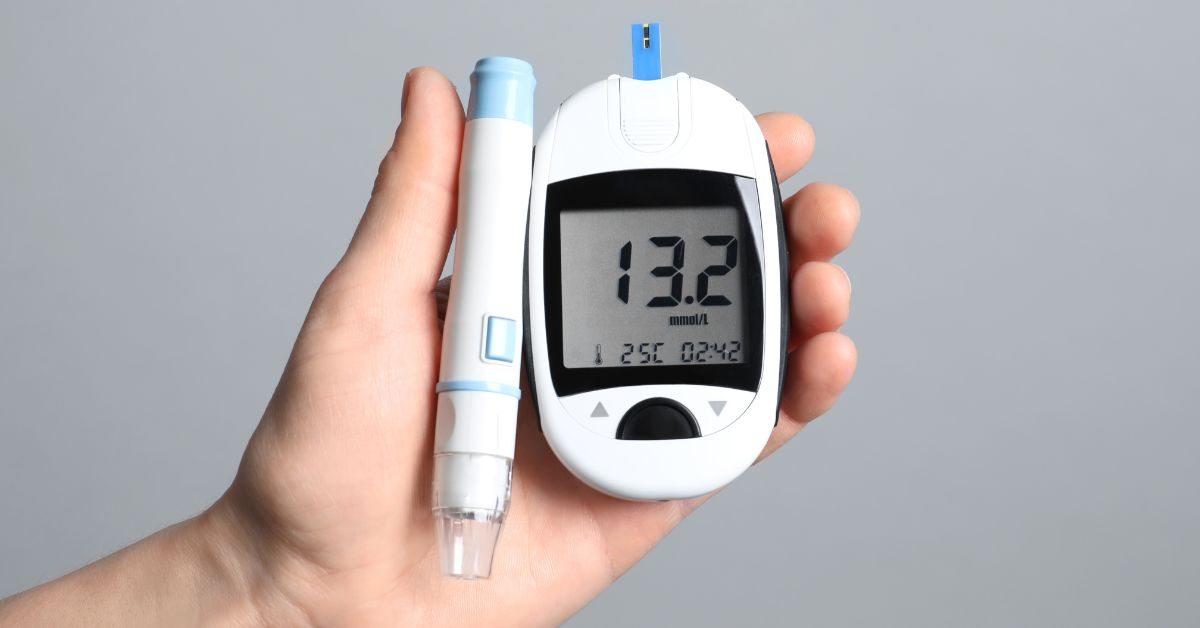
In a person with diabetes, this system breaks down because the glucose stays in the bloodstream rather than reaching the cells, causing high blood sugar called hyperglycemia.
Main Types of Diabetes
There are several types of diabetes, the most common being the following.
1. Type 1 Diabetes:
Type 1 Diabetes is an autoimmune disease where the body’s immune system attacks and destroys the insulin-producing cells in the pancreas. People with type 1 diabetes require daily insulin administration and produce little to no insulin.
2. Type 2 Diabetes:
Type 2 Diabetes is the most common form of diabetes that occurs when the body becomes resistant to insulin or doesn’t make enough of it.
It is the type of diabetes that can be managed or delayed through healthy eating, exercise, and meditation, and also heavily depends on the following.
- Genetics
- Age
- Lifestyle
3. Gestational Diabetes:
Gestational Diabetes is a form of high blood sugar that develops in some women during pregnancy. It increases the risk of developing Type 2 later in life, but typically resolves after birth.
Some Common Symptoms of Diabetes
High blood sugars can cause several classic symptoms if not managed, and the common signs of these are as follows.
- Excessive thirst, known as polydipsia
- Frequent urination, known as polyuria
- Unexplained weight loss
- Extreme hunger, known as polyphagia
- Blurry vision
- Extreme fatigue
Long-Term Complications of Diabetes
Consistently high blood glucose levels can damage vital organs and systems over time, leading to the following.
- Increasing the risk of cardiovascular disease
- Nerve damage, called neuropathy
- Kidney damage
- Vision loss.
How Does Diabetes Affect Your Eyes?
Because high blood sugar damages nerves, blood vessels, and the eyes, it primarily causes the following.
- Diabetic Retinopathy, or damaged retinal vessels
- Diabetic Macular Edema, or swelling
- Cataracts or cloudy lens
- Glaucoma, or optic nerve damage.
All these can lead to blurriness, permanent vision loss, or floaters.
These conditions often develop silently in the early stages of diabetes without noticeable symptoms.
The most effective defense is proactive management, like
- Keeping your blood sugar,
- Blood pressure, and
- Cholesterol within target ranges, and
- Scheduling comprehensive, dilated eye exams at least once a year.
What are the Signs of Diabetes Affecting Your Eyes?
The most important fact to know about diabetes and your eyes is that the early stages of diabetes usually have zero symptoms.
Significant damage may have already occurred to the delicate blood vessels in your retina by the time you notice changes in your vision, actually.
However, when symptoms do start to appear, they manifest through very specific visual warnings.
These Warning Signs are as Follows.
1. Experiencing Blurry or Fluctuating Vision:
Experiencing blurry or fluctuating vision is one of the most common signs of diabetes affecting your eyes or eyesight. It is when your vision shifts back and forth between clear and blurry.
This happens because fluctuating blood sugar levels pull fluid into the eye, causing it to swell and change shape.
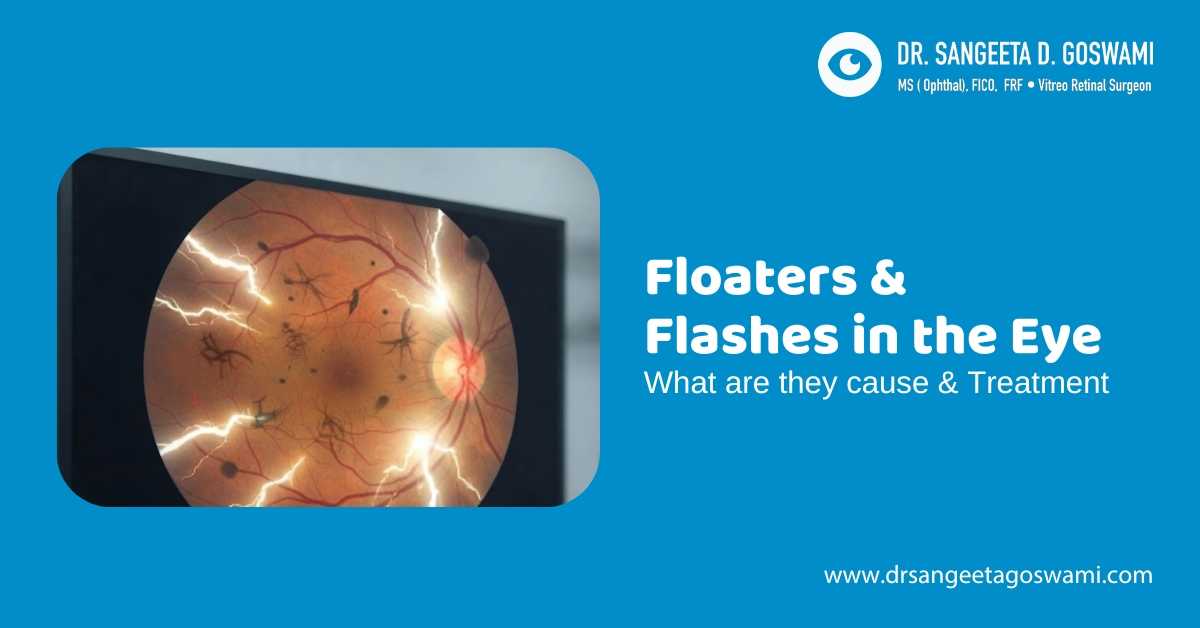
2. Experiencing New Eye Floaters:
Experiencing new eye floaters is when you notice dark spots, lines, or cobweb-like strings that are drifting across your field of vision.
A sudden shower of new floaters can mean a damaged blood vessel is leaking blood into the center of your eye.
3. Seeing or Witnessing Faded or Washed-Out Colors:
If you’re seeing or witnessing faded or washed-out colors, that is also a sign of diabetes affecting your eyesight slowly.
This is when colors that used to look vibrant begin to look dull, or you experience a slight decline in color perception.
4. Experiencing Poor Night Vision:
Experiencing poor night vision is when you find it increasingly difficult to see in low-light settings, or your eyes take a long time to adjust to a dark room.
5. Seeing Flashing Lights:
Seeing flashes of light when there is no actual light source around you. This can be a warning sign that the retina is pulling away from the back of the eye.
Advanced and Emergency Symptoms
Here are some of the advanced and emergency symptoms of diabetes affecting your eyes.
1. Seeing Dark Shadows or Blank Areas:
If you’re seeing empty patches or a dark shadow resembling a "curtain" falling across your field of vision, that is an advanced and emergency symptom to consult an eye specialist.
2. Double Vision:
Another advanced and emergency symptom is experiencing double vision. This is because diabetes can cause temporary damage to the nerves that can lead to the following.
- Controlling your eye muscles,
- Forcing your eyes out of alignment and
- Causing you to see double.
3. Severe Eye Pain or Redness:
Persistent pain or heavy pressure inside the eye can point to complications like neovascular glaucoma. This is a condition where abnormal blood vessels block fluid drainage and spike eye pressure.
4. Sudden Vision Loss:
Sudden vision loss can manifest as a rapid, unexpected drop in your ability to see clearly, which is a critical medical emergency.
Eye Care Tips Every Diabetic Patient Should Know About
Because chronic high blood sugar directly damages the tiny blood vessels in the retina, leading to irreversible vision loss, diabetics must prioritize specialized eye care.
Here are some of the essential eye care tips for diabetics.
1. Conducting a Comprehensive Detailed Eye Exam:
A comprehensive detailed eye care examination is a specialized ophthalmic evaluation where an eye doctor uses widening drops to expand your pupils. This allows a full, unobstructed view of the following.
- Retina,
- Optic nerve, and
- Blood vessels at the back of the eye
This is done to detect asymptomatic diseases.
A comprehensive dilated eye exam is one of the best ways to take care of your eyes, especially if you’re diabetic.
2. Stabilization of Blood Glucose:
Stabilization of blood glucose is the continuous management of blood sugar levels to keep your HbA1c within a target range. This prevents hyperglycemia from weakening the structural integrity of your ocular capillaries.
Hence, it is one of the ways you can take care of your eyes when you're diabetic.
3. Control of the Cardiovascular Metric:
The control of your cardiovascular metrics is important.
This is because the strict regulation of blood pressure that is below 130/80 mm Hg and cholesterol levels prevents the following from leaking into the delicate retinal tissue.
These are.
- Excess physical pressure and
- Fatty lipid deposits
4. Incorporating an Antioxidant-Rich Nutritional Diet:
Incorporating an antioxidant-rich nutritional diet is important because a targeted eating plan high in lutein, zeaxanthin, and omega-3 fatty acids can be helpful in the following ways.
- Actively neutralizing oxidative stress.
- Strengthening ocular tissues
- Reducing the risk of macular degeneration
5. Cessating Nicotine Completely:
Another healthy step or tip to keep your eyes healthy if you are diabetic is to cease nicotine completely. The total elimination of smoking and tobacco use is important to stop the progression of the following.
- Constriction of blood vessels
- Optimizing oxygen delivery to the optic nerve
- Preventing accelerated cataract formation
6. Regulating Physical Activity:
Incorporating regular exercise into your day plans is important, especially if you’re diabetic, to protect your eyes.
This is because regular, moderate cardiovascular exercise can enhance your systemic insulin sensitivity to naturally lower blood sugar. Also, simultaneously reduces intraocular pressure, the fluid pressure inside the eye.
Conclusion
The best step to make sure your eyes are good is to schedule a comprehensive dilated eye exam at least once a year. Along with this, control your blood sugar, blood pressure, and cholesterol to protect your vision.
As most signs are silent, consulting an eye surgeon in Siliguri is vital to catch hidden damage before it impacts your sight.
Consult Dr. Sangeeta D. Goswami to get your comprehensive dilated eye exam now and ensure your eyes are healthy.

