

Monsoon season gives relief from the heat, but this also increases the risk of eye problems due to humidity, dirt, and germs.
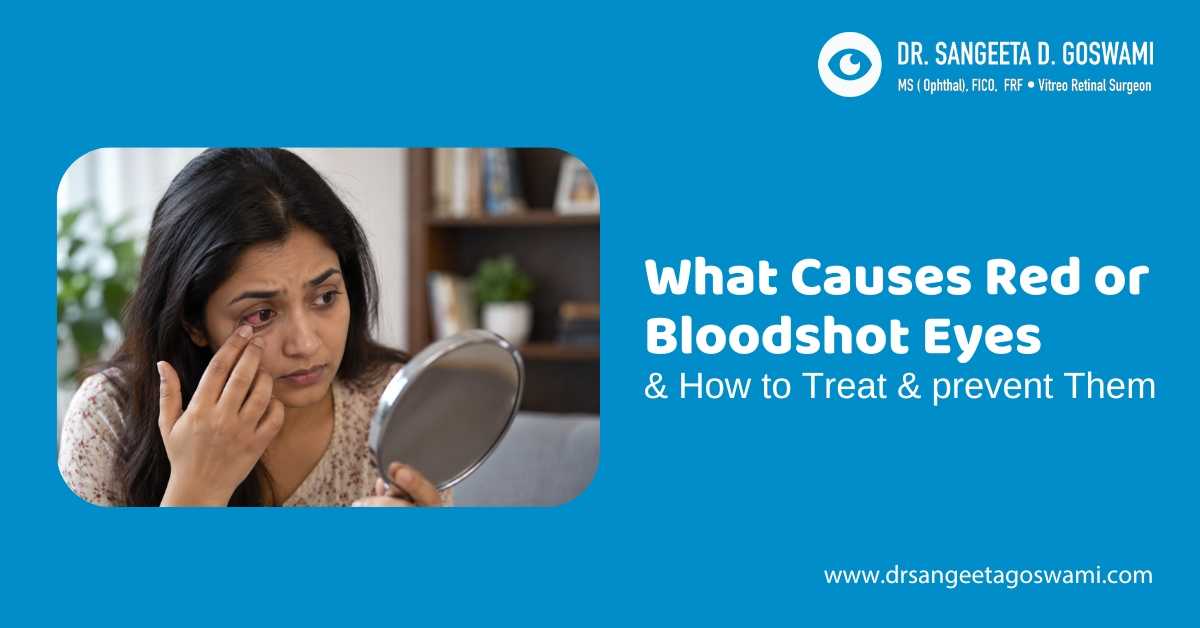
Monsoon Eye Infections are common during this time, and they show early signs like redness, itching, watering, and discomfort.
With proper hygiene, simple eye care tips, and timely treatment, you can protect your eyes and reduce the chances of infection.
What Are the Most Common Eye Infections During Monsoon?
Here are some common eye conditions seen during this season.
Conjunctivitis (Pink Eye)
This is one of the most common infections; many people have conjunctivitis during the rainy season.
Causes of this infection:
- Viral or bacterial infection
- Allergies
- Dirty hands or contaminated water
Symptoms
- Red eyes
- Itching
- Watery or sticky discharge
- Swollen eyelids
How It Spreads
This can be spread through direct contact or by sharing towels, pillows, or eye makeup.
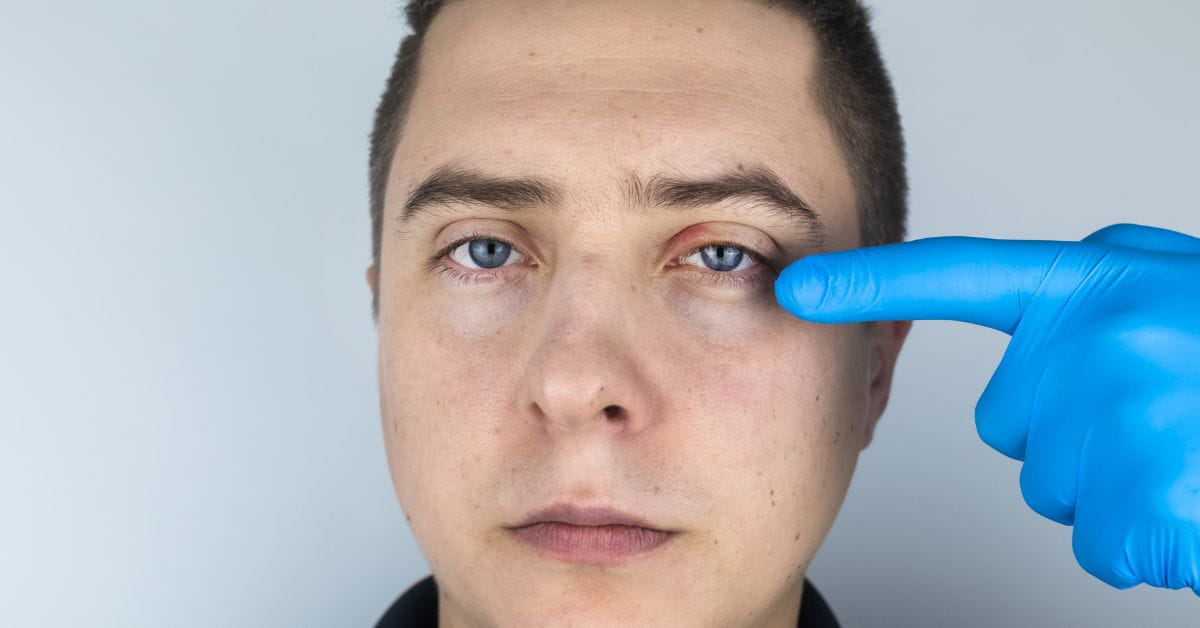
Stye
This is a small or painful lump that happens on the eyelid.
Causes
- Blocked oil gland
- Bacterial infection
Symptoms
- Red, swollen bump
- Pain or tenderness
- Watering eyes
Risk Factors
- Poor eye hygiene
- Dirty hands
- Improper contact lens care
Blepharitis
Blepharitis is inflammation of the eyelids.
Causes
- Bacteria
- Blocked oil glands
- Poor eyelid hygiene
Symptoms
- Red eyelids
- Itching
- Crust around the eyelashes
- Burning feeling
Keratitis
Keratitis is an infection of the clear front part of the eye.
Causes
- Bacteria, viruses, or fungi
- Eye injury
- Unclean contact lenses
Symptoms
- Eye pain
- Redness
- Blurred vision
- Light sensitivity
Allergic Eye Irritation
Sometimes, eye irritation is caused by allergies, not an infection.
Common Triggers
- Dust
- Pollen
- Mould
- Humid weather
Symptoms
- Itchy eyes
- Redness
- Watery eyes
What Are the Early Symptoms of an Eye Infection?
Here are the symptoms of eye infections, which usually happen during the monsoon:
- Redness in one or both eyes
- Itching
- Burning sensation
- Watery eyes
- Sticky or thick eye discharge
- Swollen eyelids
- Eye pain or discomfort
- Feeling like something is stuck in the eye
- Blurred vision
- Sensitivity to light
- Excessive tearing
- Eyes sticking together after sleep
- Difficulty opening the eyes in the morning
- Mild fever (in some infections)
- Tired or heavy feeling in the eyes
Who Is More at Risk of Monsoon Eye Infections?
Children
Children continue to touch their face or eyes without washing their hands and get close to others, which increases the risk of spreading infection easily.
Contact Lens Users
If someone uses lenses, improper cleaning or wearing contact lenses for a long time can increase the risk of eye infection.
Older Adults
As people get older, their immune systems become weaker, which makes it hard to fight infections.
People with Eye Allergies
Too much rubbing of itchy eyes can allow germs to enter and cause an infection.
People Working Outdoors
Those exposed to dust, rainwater, pollution, or dirty environments have a higher chance of developing eye problems.
People with Poor Eye Hygiene
Those people who do not wash their hands, share towels, or use makeup can increase the risk of infections.
What Should You Do If You Develop an Eye Infection?
If you develop an eye infection, early care can help you recover faster and prevent it from spreading.
- Avoid rubbing your eyes
- Use a clean cloth to wipe discharge.
- Wash your hands regularly.
- Do not wear contact lenses.
- Avoid sharing your towels or eye makeup.
- Use medicines as prescribed.
- Take proper rest for your eyes.
- Try to avoid too much screen time.
- Wear sunglasses outdoors if needed.
- Visit your doctor if symptoms worsen.
When Should You See an Eye Specialist?
Redness Doesn't Improve
If your eyes stay red for more than 2 to 3 days, it's best to consult with an eye doctor; ignoring this sign can create a major issue in the future.
Severe Eye Pain
If you feel pain in your eyes and the pain does not improve by taking proper rest or gets worse, seek medical attention to prevent further risk.
Blurred Vision
If your vision becomes blurry or you have trouble seeing clearly, see an eye specialist immediately.
Thick Eye Discharge
Yellow, green, or thick discharge may be a sign of an infection that needs treatment.
Swollen Eyelids
Swelling that increases or doesn't go away should not be ignored.
Light Sensitivity
If bright light causes pain or discomfort, consult an eye specialist.
Symptoms Keep Getting Worse
If redness, pain, or irritation increases despite home care, seek medical advice.
Contact Lens Users
Remove your contact lenses and see an eye specialist if you develop redness, pain, or blurred vision while wearing them.
How Are Eye Infections Treated?
There are many ways to treat eye infections; treatments also depend on the conditions. Here are some ways:
- Antibiotic eye drops for bacterial infections.
- Antiviral medicines for some viral infections.
- Antifungal medicines for fungal infections.
- Anti-allergy eye drops for allergies.
- Lubricating eye drops to reduce dryness.
- Warm or cold compresses to ease discomfort.
- Maintain proper hygiene and keep your eyes clean.
- Avoid wearing contact lenses.
- Do not rub your eyes too much.
- Avoid using too much screen time.
- Use medicines as prescribed.
- See an eye specialist if symptoms don't improve.
Can Children Go to School With an Eye Infection?
The answer depends on which type of infection your child has. If the infection is contagious, such as conjunctivitis, it's best to keep your child at home until a doctor advises it's safe to return. This helps prevent the infection from spreading to other children and gives your child's eyes time to heal.
How Can You Keep Your Eyes Healthy During the Monsoon?
Eat Healthy Foods
Eat foods that give vitamins A, C, and E, such as carrots, spinach, citrus fruits, and nuts, to support good eye health.
Stay Hydrated
Drink enough water; this helps your body to stay hydrated and also keeps your eyes moist and reduces dryness.
Get Enough Sleep
Take proper 6 to 8 hours' rest, because night sleep helps the body to recover; this also helps your eyes to recover from daily strain.
Protect Your Eyes
Wear sunglasses or protective glasses when you're outdoors to keep dust, rainwater, and pollution away from your eyes.
Limit Screen Time
Follow the 20-20-20 rule after every 20 minutes: look at something 20 feet away for 20 seconds to reduce eye strain and dryness.
Get Regular Eye Check-ups
Do your routine eye checkup; this will help identify issues at an early stage and help you maintain healthy eyes, and it also supports long-term vision
At The End
Monsoon Eye Infections can be prevented with simple steps like good hygiene, avoiding eye rubbing, and protecting your eyes from dust and dirty water. If symptoms appear, early care can help avoid complications. For expert guidance and treatment, Dr Sangeeta Goswami provides proper care for various eye concerns.