

When it comes to your eye health, timing matters. Some retinal conditions develop without giving any noticeable discomfort or vision problems at first. You may only notice them when your vision starts to change. This is why paying attention to the early symptoms of retinal damage is important.
The retina detects light entering your eye and sends signals to your brain to help you see. If it is affected, you may notice floaters, flashes of light, blurred vision, or dark spots.
The retina receives light and sends visual signals to your brain. If you notice sudden or unusual changes in your eyesight, consult an eye specialist for an examination.
What Are Early Signs of Retinal Damage?
1- Sudden Flashes of Light
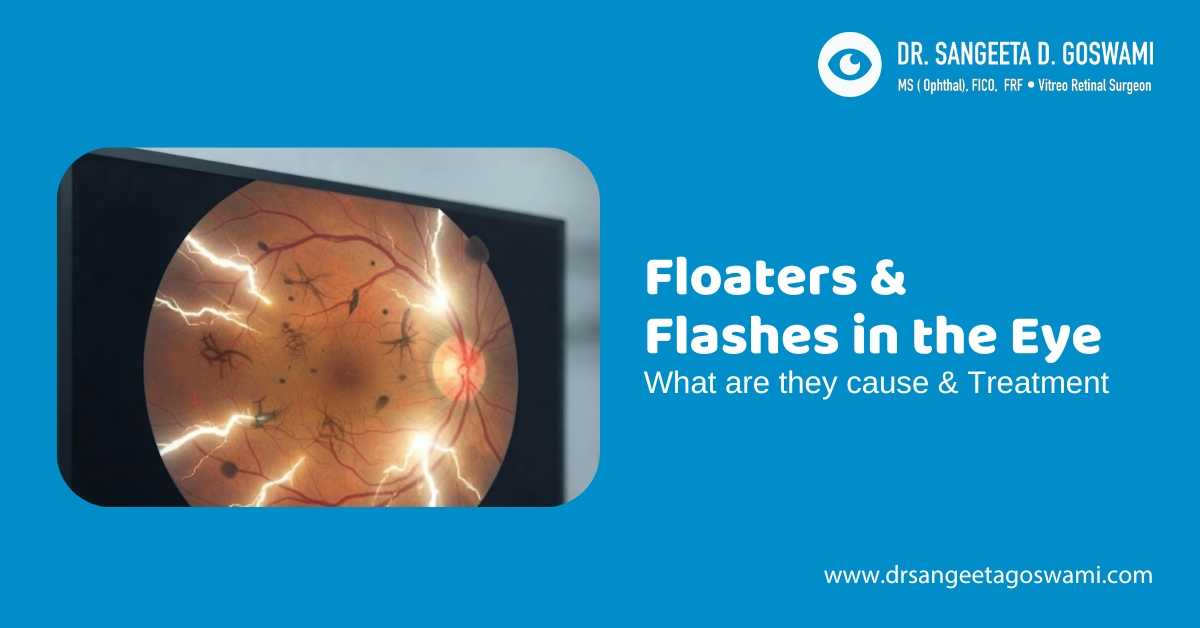
You may notice brief flashes, streaks, or flickering lights, often towards the edges of your vision.
- May be more noticeable in dim surroundings.
- Changes in the eye's gel can sometimes cause a retinal tear.
- Sudden flashes, floaters or dark spots require prompt medical attention.
2- New Floaters or Dark Spots
Floaters are small spots, threads, or web-like shapes that seem to move as you look around.
- More noticeable against bright backgrounds.
- If the number of floaters increases suddenly, get your eyes checked.
- Pay attention to sudden changes in their number or appearance.
3- Blurred or Distorted Vision
Objects may look blurry, distorted, or out of shape. Straight lines may appear wavy, curved, or distorted.
- Difficulty reading or recognising faces.
- Blurred central vision.
- Changes in how clearly you see objects.
Blurred vision can occur for different reasons. An eye examination can help find the cause.
4- A Dark Shadow or Curtain Across Vision
You may notice a dark patch in your field of vision.
- Can be associated with retinal detachment.
- Requires immediate medical attention.
5- Reduced Peripheral Vision
You may find it difficult to notice objects or movement at the sides of your vision.
- Missing objects approaching from the side.
- Bumping into things around you.
- Feeling that part of your vision is missing.
6- Sudden or Unexplained Vision Loss
You may suddenly find it difficult to see clearly through one eye.
- Can happen with or without pain.
- May affect part or all of your eyesight.
- Requires immediate medical assessment.
If you notice unusual changes in your eyesight, consult an eye specialist. Do not overlook these changes or delay getting your eyes checked.
What Can Cause Retinal Damage?
1- Diabetic Retinopathy
Persistently high blood sugar can damage the retina's tiny blood vessels. This can cause fluid leakage, bleeding, or the growth of abnormal blood vessels.
2- Age-Related Macular Degeneration (AMD)
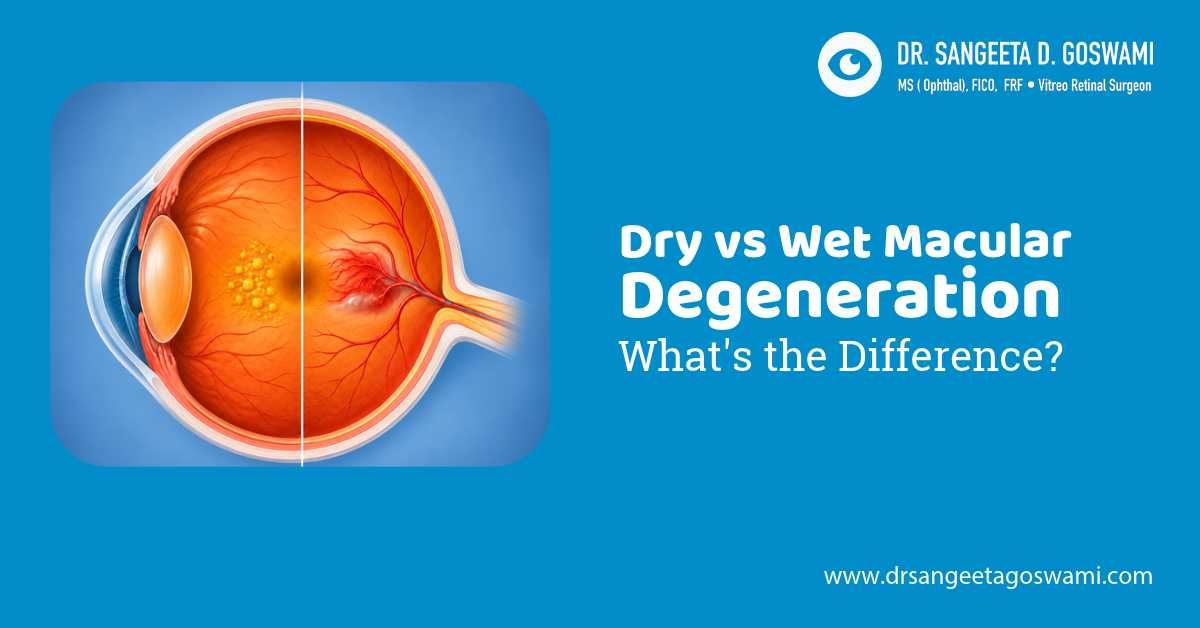
AMD affects the macula, the part of the retina that helps you see fine details. You may find it harder to read, recognise faces, or see objects clearly.
3- Retinal Tear or Detachment
A retinal tear develops when the vitreous gel pulls away from the retina and causes a break. Fluid may pass through the tear and collect underneath, causing the retina to separate from its normal position.
4- Eye Injuries
Injuries to your eyes or head can affect your eyesight. Get your eyes checked if you notice any changes after an injury.
5- High Myopia
High myopia, also called severe nearsightedness, can increase the chances of retinal tears or detachment. This does not mean everyone with high myopia will develop these problems.
6- Blood Vessel Problems
Some health conditions can affect the retina and the way it works. Having diabetes, high blood pressure, or high myopia does not mean you will develop retinal damage. Regular eye exams help detect retinal changes early.
Who May Be More Likely to Develop Retinal Problems?
Some people may need to pay closer attention to their retinal health because of their age, health, or eye history. This may include:
- People living with diabetes.
- Older adults.
- Individuals with severe nearsightedness.
- People with a history of retinal detachment.
- Those who have undergone certain eye surgeries.
- People with a previous eye injury.
- Individuals with existing retinal conditions.
Risk factors may vary with each retinal condition. If you have concerns about your eyesight or eye health, consult an eye specialist for advice on regular eye check-ups.
When Should You Consult an Eye Specialist About Retinal Problems?
Consult an eye specialist if you notice changes in your eyesight, such as:
- Sudden flashes of light.
- New floaters or dark spots.
- Blurred or distorted vision.
- A dark shadow or curtain-like effect in your vision.
- Difficulty seeing objects at the sides.
- Sudden loss of vision.
- Straight lines appearing wavy or bent.
- Difficulty seeing clearly in low light.
Do not delay getting these changes checked. Consult with an eye specialist if you notice any types of the above symptoms.
How Is Retinal Damage Diagnosed?
If your vision changes, an eye specialist may examine your retina to check for any problems. The tests depend on your symptoms and the doctor's assessment.
1- Dilated Retinal Examination
Eye drops widen your pupils, allowing the doctor to view the back of your eye.
- Allows a closer look at the retina.
- Helps check for visible changes.
- May be used when investigating flashes, floaters, or blurred vision.
2- Optical Coherence Tomography (OCT)
OCT scans use light to show the different layers of the retina in detail.
- Shows different retinal layers.
- Helps examine the macula.
- May be recommended when central vision changes are present.
3- Fundus Photography
This test involves taking pictures of the back of your eye.
- Records the appearance of the retina.
- Helps compare retinal images taken at different visits.
- May be used during follow-up examinations.
4- Fluorescein Angiography
During this test, photographs are taken to examine blood flow through the retinal blood vessels.
- Provides images of retinal blood vessels.
- Helps examine blood flow patterns.
- May be recommended for certain retinal conditions.
What Treatment Options Are Available for Retinal Damage?
Some treatment options may include:
1- Laser Treatment
This treatment is recommended for certain retinal conditions.
- Used in some cases of diabetic retinopathy.
- May help seal retinal tears.
- An eye examination helps determine whether treatment is needed.
2- Eye Injections
Some retinal conditions may be managed with medicines given through injections into the eye.
- May be recommended for certain cases of diabetic retinopathy.
- Used in some cases of age-related macular degeneration.
- The medicine and treatment schedule depend on the condition.
3- Retinal Surgery
Surgery may be considered for certain retinal problems, including retinal detachment.
- The procedure is chosen according to the retinal problem being treated.
- The doctor will explain the available surgical options.
- You may need follow-up visits after surgery.
4- Medicines and Monitoring
Some retinal conditions may require regular monitoring or medicines, depending on their cause.
- Eye examinations help track changes.
- Your doctor may change the treatment after reviewing follow-up results.
- Your doctor can discuss the next steps for your condition.
Every retinal condition needs a different approach to treatment. Your doctor will recommend the option that is right for your condition.
Can Retinal Damage Be Prevented or Its Risk Reduced?
While not all retinal problems are preventable, simple habits can help protect your eye health. Here are some steps to follow:
- Keep blood sugar under control: If you have diabetes, follow your doctor's advice and attend regular diabetic eye check-ups.
- Keep track of your blood pressure: Check it regularly and follow your doctor's advice.
- Get regular eye examinations: Visit an eye specialist as advised, especially if you have a history of eye problems.
- Protect your eyes from injuries: Wear protective eyewear during sports, work, or activities that may harm your eyes.
- Get vision changes checked: Do not ignore new floaters, flashes of light, or blurred vision. Consult an eye specialist.
- Follow your treatment plan: If you have a retinal condition, attend follow-up appointments and follow your doctor's advice.
All these steps can help you reduce certain risks, but not every retinal condition can be prevented. Ignoring these signs may delay treatment. Seek advice from a retinal specialist if you notice any changes in your vision.
Conclusion
You may have retinal problems even before noticing clear changes in your eyesight. Some signs include floaters, flashes of light, blurred vision and dark spots. These can vary from person to person and may have different causes, so it is important to pay attention to any unusual changes in your eyesight.
Include regular eye check-ups as part of your routine health care. Do not overlook changes in how clearly you see, even if they do not cause discomfort. An eye doctor can examine your eye condition and discuss further care if needed.
Frequently Asked Questions
What Happens When the Retina Gets Damaged?
Retinal damage can affect how clearly you see. You may notice blurred vision, floaters, flashes of light, dark spots, or changes in your side vision.
Can Retinal Damage Happen Without Symptoms?
Yes, some retinal conditions may develop without noticeable symptoms at first. Regular eye check-ups can help identify changes.
How Do I Know If I Have Damaged My Retina?
You may notice flashes, new floaters, blurred vision, dark shadows, or sudden changes in your eyesight. An eye check-up can help determine the underlying cause.
How Can I Check My Retina at Home?
You cannot properly examine your retina at home. You can pay attention to changes in your vision, but an eye examination is needed to check the retina.
How Long Does Retina Surgery Take?
Recovery after retinal surgery varies based on the procedure and the condition being treated. Your surgeon can explain the expected recovery time.